

10 habits of minimalist people you can adopt today can transform the way you live, even amidst the rush, household clutter, or an overload of tasks. When everything feels like too much, seeking simplicity becomes an urgent—and possible—choice.
In this article, you will discover accessible, real, and effective practices that can be applied immediately, without needing to radically change your routine. These are small gestures that bring lightness, clarity, and intention to your daily life. Are you ready to start now?
What Are Minimalist Habits?
Minimalism as a daily practice
It’s a mistake to think that minimalism is just about white rooms and empty closets. More than an aesthetic, it is a lifestyle based on conscious and intentional choices. And these choices manifest—every day—in our habits.
Adopting minimalist habits means living with more presence and less automation. It’s about deciding what to keep, what to consume, how to use your time, and even who to connect with. These are repeated actions that help to simplify your routine and create a life with more purpose and fewer distractions.
Why do habits matter?
Habits are the foundation of our routine. Small actions, repeated over time, shape our days—and, consequently, our lives. Therefore, by bringing minimalism into your daily life, you create a solid foundation for a real transformation that goes beyond organization and affects your mental, emotional, and even financial health.
It’s not about doing everything at once. It’s about starting with a single habit and allowing it to pave the way for others. And the more natural this process becomes, the more enjoyable and liberating it will be.
Discover the 10 Habits of Minimalist People That Make Life Lighter
1. Question every new purchase
Minimalist people don’t buy on impulse. Before acquiring any item, they ask themselves: Do I really need this? Does this add value to my life? This habit prevents accumulation, reduces unnecessary spending, and promotes conscious consumption. An effective tip is the 30-day rule: if it still makes sense after this time, it might be worth it.
2. Practice decluttering regularly
Decluttering isn’t just about a big clean-out once a year—it’s an ongoing practice. Minimalists tend to frequently review their closets, drawers, digital files, and even relationships, eliminating what no longer serves them. Conscious decluttering makes room for the new and for what truly matters.
3. Value quality over quantity
Instead of having many objects, clothes, or furniture, minimalists opt for fewer items of higher quality and durability. This habit reduces waste, simplifies organization, and saves money in the long run. A capsule wardrobe, for example, is a practical way to apply this principle daily.
“A simple way to apply this habit in daily life is by creating a capsule wardrobe—learn how to start with what you already have.” Read also: How to Organize a Capsule Wardrobe in a Minimalist Bedroom
4. Keep the home functional and clean
Disorganized environments directly impact our mental health. Minimalist people strive to keep their spaces practical, airy, and with few objects in sight. This doesn’t mean living in a sterile environment, but rather in a place where every item has a purpose—and nothing is there by chance.
5. Establish a simple routine
The routine of those who live with less tends to be lighter. With fewer commitments, tasks, and distractions, there is more time for what truly matters. Creating a schedule with breaks, a focus on the essential, and time for yourself is a powerful—and possible—habit, even on busy days.
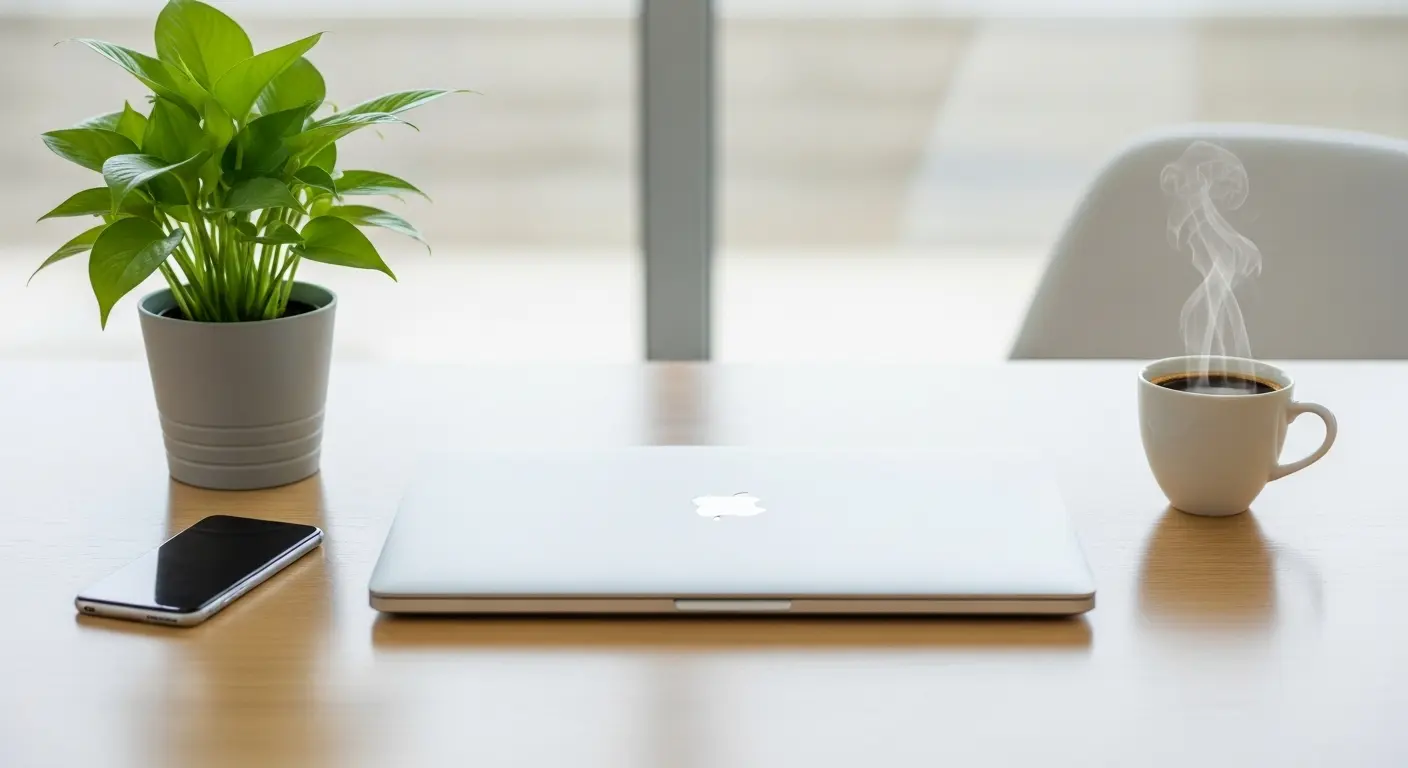
6. Reduce digital distractions
The excess of notifications, social media, and fragmented information steals our time and attention. Minimalists cultivate the habit of silencing, deleting, and limiting screen use, especially during the most important moments of the day, such as upon waking or before sleeping. Less digital noise, more presence.
7. Be grateful for what you already have
Gratitude is a transformative habit in the minimalist lifestyle. By valuing what already exists—objects, relationships, spaces, routines—you reduce the feeling of scarcity and the constant need for “more.” This more sensitive outlook strengthens contentment and inner abundance.
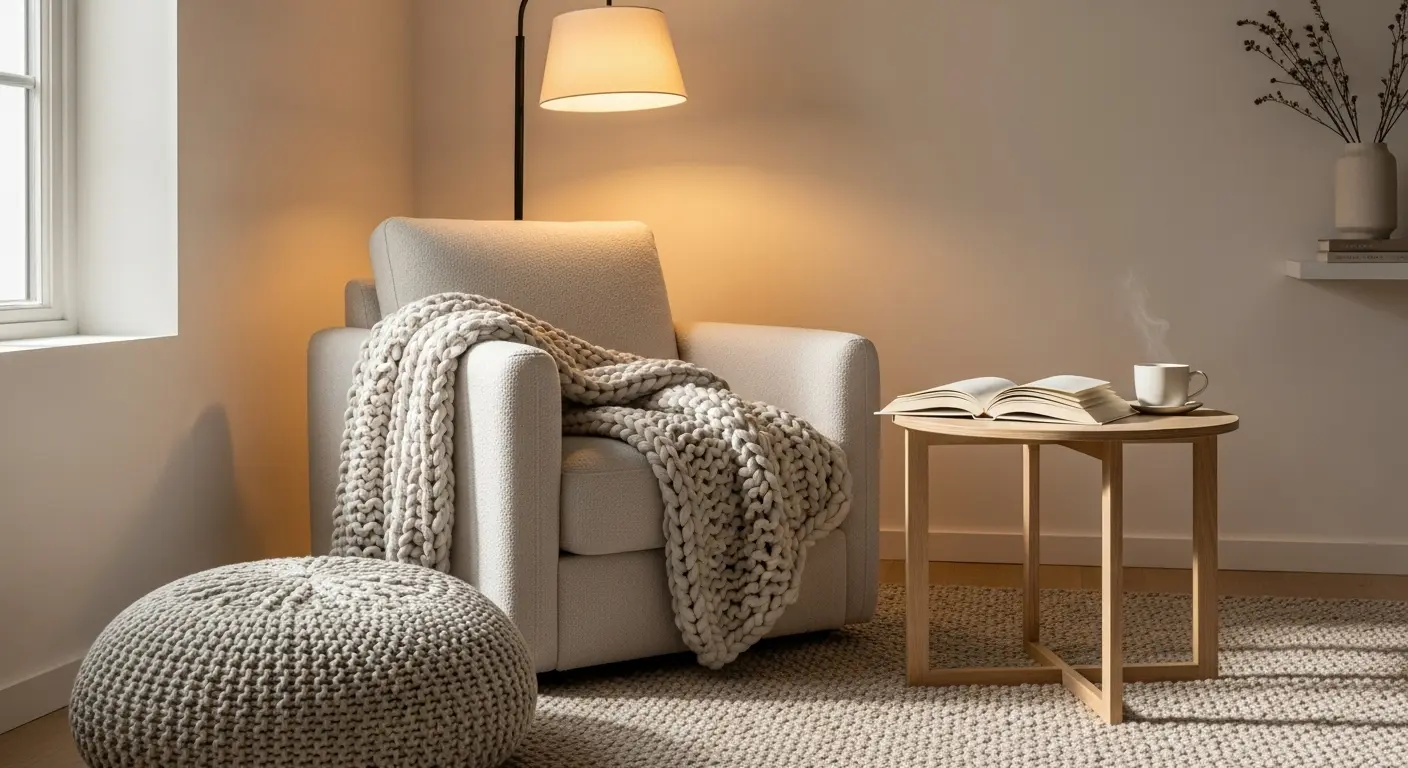
8. Create spaces for pause and breathing
Even in small homes, minimalists often create a reading nook, a chair by the window, a mat for meditation, or just an empty space to breathe. These places of pause remind us that silence and rest are also essential parts of a balanced life.
9. Choose with intention what enters your home
Every object, food, piece of information, or gift that comes to you needs to pass through a filter of intention. Minimalists maintain the habit of evaluating before accepting. This way, the home ceases to be a repository for excess and transforms into a welcoming place aligned with your values.
10. Constantly review your choices
Minimalism is an ongoing process. What made sense last month may not make sense now—and that’s okay. Minimalist people frequently review their habits, objects, and priorities, adapting their lifestyle to their phases, needs, and personal growth.
How to Incorporate These Habits into Your Daily Life
Adopting minimalist habits doesn’t require a revolution—but it does require consistency, intention, and kindness to the process. The best way to start is with small steps applicable to your reality, respecting your own pace and context.
Choose one habit at a time. Trying to implement all 10 at once can lead to overwhelm and discouragement. Start with the one that seems simplest or makes the most sense for your current phase—like reviewing your closet or silencing phone notifications.
Use visual reminders. Phrases like “less is more,” “is this essential?” or “does this serve me today?” posted on the mirror, in your planner, or on the fridge help maintain focus on the small decisions of the day.
Adapt with ease. There is no single model of minimalism. If a habit doesn’t work for you, adjust it. The goal is not to follow rules, but to live with more purpose and less weight.
Create an environment that supports your choices. Organize your spaces to encourage simplicity: accessible shelves, fewer visual items, corners for rest or focus. Your space can be your greatest ally in building new habits.
And remember: every intentional choice, no matter how small, is already a way of living minimalism in practice. The important thing is to start—and to continue.
How Minimalism Impacts Other Areas of Your Life
Adopting minimalist habits goes far beyond keeping your house in order or consuming less. As these behaviors become part of your routine, other areas of your life also begin to transform naturally. Minimalism is contagious—in the best sense of the word.
In mental and emotional health
Less visual noise, less clutter, and more clarity in your environment have a direct effect on the mind: relief from anxiety, stress reduction, and a greater sense of control over your own life. You start to breathe more easily—both inside and out.
In relationships
With fewer distractions and a lighter routine, there is more time and presence for the relationships that truly matter. Minimalism also helps filter connections: you learn to value nourishing relationships and to stop insisting on ties that no longer make sense.
In diet and self-care
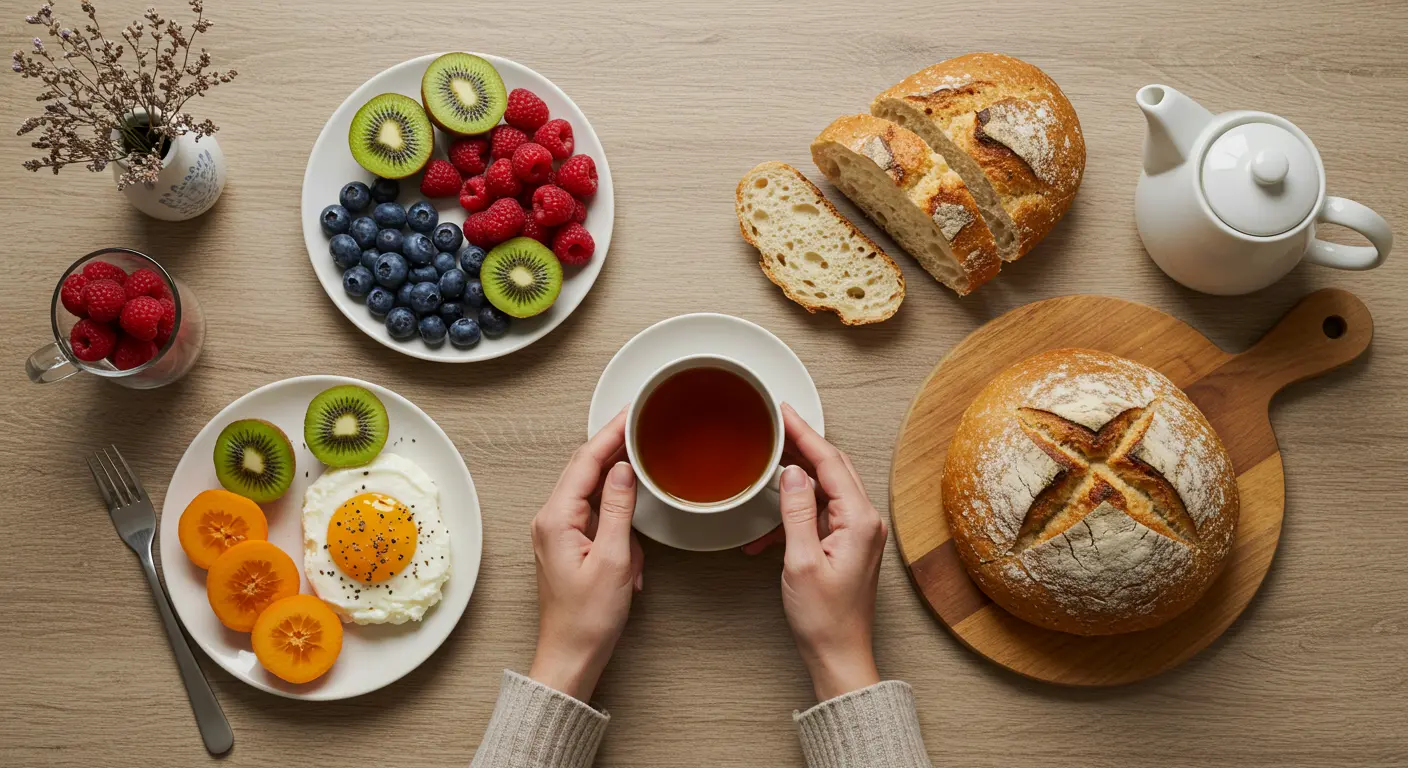
By simplifying their surroundings, many minimalists end up applying this perspective to their diet: simpler, more natural, and conscious meals. The same happens with self-care—which ceases to be about accumulating cosmetics and becomes about rest, silence, and quality of life.
In time management
Minimalist people tend to say “no” more often, prioritize what has value, and reduce commitments that do not align with their purpose. This brings more freedom to live at your own pace, respecting your time and energy.
In the way you work and produce
With more focus and fewer distractions, it’s possible to be more productive with less effort. Whether in a home office or in organizing tasks, minimalism offers a logic of clarity: prioritize, eliminate the superfluous, focus on the essential.
In spirituality and inner connection
Many report that, by adopting minimalist habits, they begin to listen more to their intuition, reflect on what they believe, and connect with something greater. With less noise around, it becomes easier to notice what is inside.
These changes happen gradually, but they are profound. The minimalist lifestyle, when lived with intention, expands and takes root in all spheres of daily life—resulting in a lighter, more coherent life aligned with who you are.
Real Benefits of Living with Minimalist Habits
Adopting minimalist habits doesn’t just transform your home—it transforms your life as a whole. As you simplify choices, spaces, and routines, you begin to notice profound changes in how you feel, think, and live.
1. Less stress, more mental clarity
Organized environments and a routine with fewer distractions reduce mental overload. You feel like you can breathe better, think with more focus, and face the day with more lightness.
2. Savings in time and energy
When you have fewer decisions to make, fewer tasks to complete, and fewer objects to maintain, you have more time for what really matters: taking care of yourself, being with loved ones, resting, creating.
3. More conscious and sustainable consumption
Minimalists tend to buy less—and better. This habit generates financial savings, reduces waste, and reinforces a more ethical and sustainable lifestyle.
4. Greater connection with the present
With less noise around, you learn to value the now. A coffee break, unhurried reading, the silence of a quiet morning… all of this takes on more meaning.
5. Self-knowledge and authenticity
By practicing decluttering, you also get to know yourself better. You understand what makes you feel good, what represents you, and what can be left behind. This strengthens self-esteem and brings more authenticity to your choices.
These benefits don’t appear overnight, but are built with consistency. And the most beautiful part is realizing that living with less makes room for everything that is truly worthwhile.
Conclusion
Adopting the habits of minimalist people is more than a change in behavior—it is a path back to the essential. By simplifying your spaces, your routine, and your decisions, you begin to realize what truly matters: well-being, presence, clarity, and purpose.
Remember that minimalism requires neither haste nor perfection. Just choose a starting point, take the first step with intention, and allow the transformation to happen at your own pace.
🌿 How about starting right now? Choose a habit from this list and apply it today, in your own way. And if this content inspired you, save this article, share it with those you love, and continue exploring Minimals Vibe—here, living with less is an invitation to live with more meaning.